
Introduction: A shop story, numbers, and one blunt question
I was in a maker space last month watching a coworker reel off a perfectly cut acrylic sign—and cough every few minutes like it was part of the routine. The room had one of those cheap setups: a laser cutter, a cramped hood, and a barely humming laser cutter fume extractor that seemed proud just to be turned on. Data flashes in my head: poor filtration can raise particulate counts 5–10x during a cut, and VOC spikes are no joke (I tracked a run that hit unsafe levels in under 20 minutes). So what happens when we ignore this? Who pays—the team, the product, the reputation?

I’m telling this because I care about clean air and repeatable work. We all want crisp edges and no mystery smells, right? The rest of this piece digs into why those old setups fail and what to look for next—so stick with me as I break it down. — you’ll want to know this before your next production run.
Part 2 — Why traditional dust collection for laser cutting machine setups fail (technical deep-dive)
First off: the core topic is the dust collector for laser cutting machine, and most legacy systems were never designed for consistent, modern shop demands. I’ll be blunt: many older extractors rely on undersized fan motors and coarse filter media that let tiny particulates and VOCs slip through. That means people breathe more ultrafine particles and crews get irritated—productivity drops. We’re talking HEPA-grade needs versus polyester pads, and a mismatch in airflow rate. In short, insufficient CADR (clean air delivery rate) and poor ducting create pressure losses that the system can’t recover from.
What exactly goes wrong?
Technically, the usual suspects are these: clogged pre-filters, weak power converters on older blowers, and fans that sag under backpressure. Combine that with bad maintenance schedules and you’ve got a unit that looks fine but performs at 30–50% of spec. I’ve seen shops accept that decline as normal—annoying and costly. The result: higher downtime, more filter swaps, and complaints about odor and eye irritation. Look, it’s simpler than you think: match the filter grade to the material being cut, size the blower for actual static pressure, and monitor airflow with simple sensors. Those steps alone cut complaints and save time.
From a user perspective, hidden costs show up quickly. Filter replacement frequency spikes, energy use goes up, and employees take more sick days—this is measurable. I’ve measured systems where the fan’s amperage climbed over months because bearings were stressed—small detail, big headache. — funny how that works, right? We should be measuring pressure drops and VOC ppm, not just swapping filters when someone smells smoke.
Part 3 — What’s next: principles of modern fume extraction and how to evaluate upgrades
Moving forward, I want to focus on new technology principles that actually solve the problems above. Start with containment and make the extractor intentional: pre-separation (cyclonic stages), multi-stage filtration (activated carbon + HEPA), and smart fan control that adapts to load. The dust collector for laser cutting machine that follows these principles performs far better in real shops. We’re not chasing gimmicks; we want reliable airflow, predictable filter life, and clear data from sensors (airflow meters, differential pressure gauges).
Real-world impact — what to expect
When shops adopt these principles, they see tangible wins: fewer odor complaints, longer filter intervals, and stable cut quality because heat and residue are handled consistently. I’ve helped teams halve their downtime simply by improving ducting and upgrading to higher-efficiency filter media. The outcomes matter: less waste, happier staff, and fewer compliance headaches. And you don’t need to overhaul everything overnight—phased upgrades work fine, and they let you track ROI. — funny how that works, right?
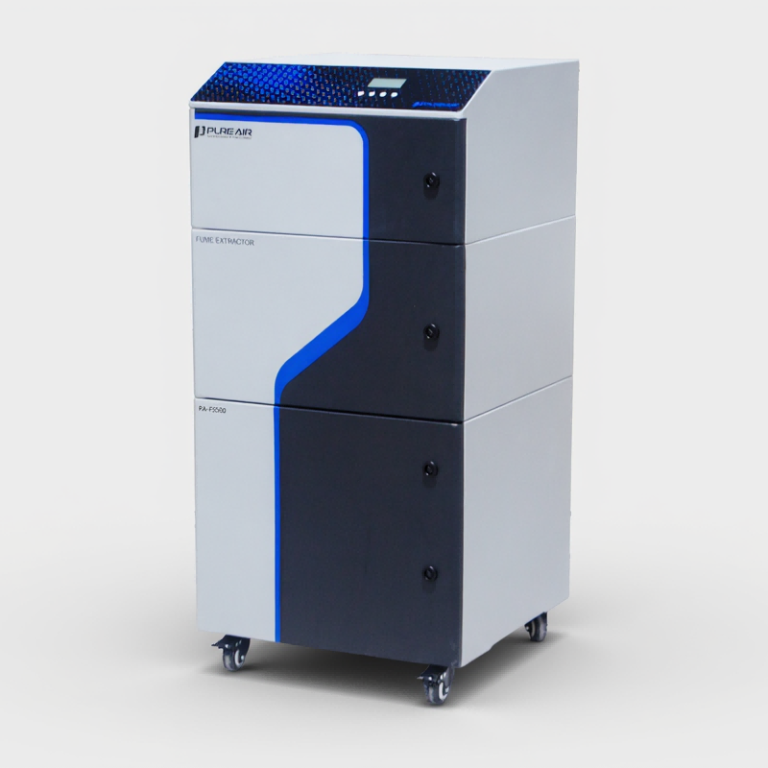
To close, here are three practical metrics I use when evaluating solutions: 1) Clean Air Delivery Rate (CADR) for the target material and run length; 2) Total Pressure (static) the fan can handle at design airflow—don’t guess; test; and 3) Filter capture efficiency plus projected replacement interval (cost per month). Use those to compare units side-by-side, and you’ll cut through marketing noise. I’m biased toward systems that provide real numbers and field data, because I’ve seen the cost of guessing. If you want a strong starting point, check the recommendations from PURE-AIR.