
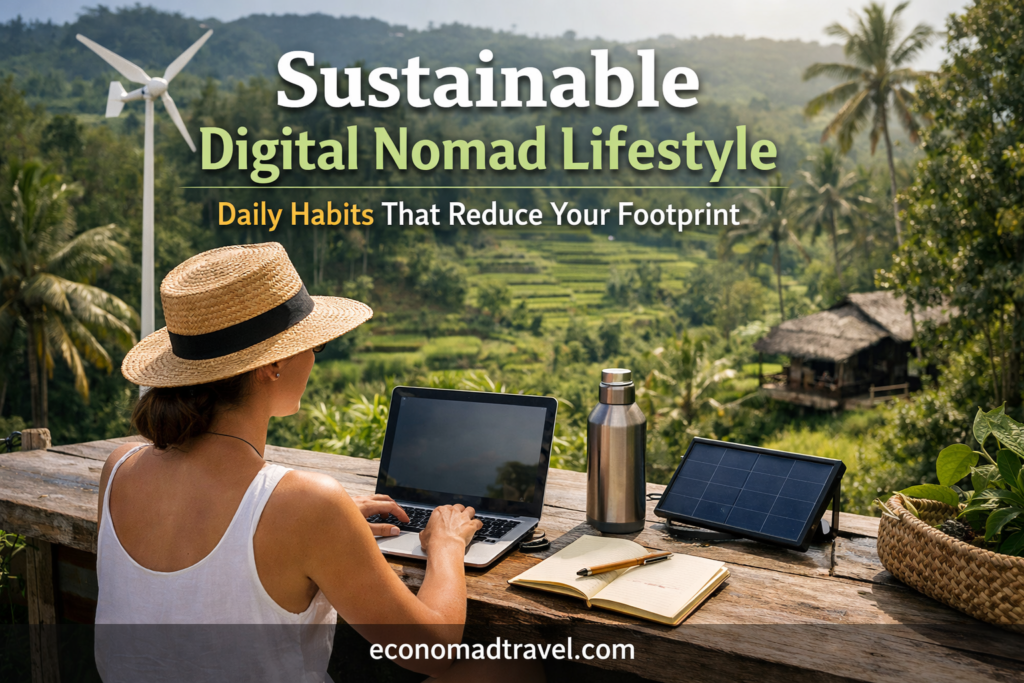
In recent years, the rise of remote work has enabled countless individuals to embrace the freedom of the digital nomad lifestyle. Traveling from city to city, country to country, while working online is undoubtedly appealing. However, this lifestyle often comes with an environmental cost—frequent flights, energy use, and waste generation. For those who want to travel responsibly, adopting sustainable habits is essential. This is where Eco Nomad Travel comes into play. By making conscious choices every day, digital nomads can minimize their environmental footprint without sacrificing their adventurous lifestyle.
1. Choose Sustainable Accommodation
One of the biggest contributors to a nomad’s carbon footprint is accommodation. Hotels, especially large chains, consume vast amounts of energy and water. Digital nomads can reduce their impact by opting for eco-friendly lodging options such as green-certified hotels, hostels, or co-living spaces that prioritize sustainability. Look for accommodations that use solar energy, practice water conservation, and support local communities. Platforms dedicated to eco-conscious stays also help travelers align their lodging choices with the principles of Eco Nomad Travel.
2. Reduce Air Travel When Possible
Flights account for a significant portion of travel-related emissions. While it’s tempting to hop across countries, reducing air travel and opting for slower, greener alternatives can make a huge difference. Trains, buses, and ferries often leave a smaller carbon footprint than planes. If flying is unavoidable, consider offsetting your emissions through certified carbon offset programs. Every small step counts in building a sustainable digital nomad lifestyle.
3. Prioritize Local and Plant-Based Food
Eating local, seasonal produce is another key habit for eco-conscious travelers. Imported foods increase carbon emissions, and packaging waste adds to environmental strain. Digital nomads can reduce their footprint by choosing plant-based meals or reducing meat consumption, which aligns with sustainable eating practices. Supporting local farmers and markets not only benefits the environment but also immerses travelers in authentic culinary experiences—an essential part of Eco Nomad Travel.
4. Embrace Minimalism and Smart Packing
Carrying less means consuming less. Digital nomads often travel with a backpack or small suitcase, which is perfect for practicing minimalism. Pack versatile clothing made from sustainable materials, reusable water bottles, and travel-sized personal care items without harmful chemicals. This reduces plastic waste and helps minimize the resources needed to manufacture and transport your belongings. Traveling light also encourages a mindful approach to consumption.
5. Reduce Digital Energy Consumption
While digital nomads rely on technology to work, the digital world has its own carbon footprint. Streaming, video calls, and cloud storage consume electricity, much of it generated from non-renewable sources. To practice Eco Nomad Travel, use energy-efficient devices, unplug chargers when not in use, and limit high-data activities when possible. Many digital nomads are also choosing green web hosting services for their personal or business websites to further reduce their environmental impact.
6. Sustainable Transportation at Your Destination
Once you arrive at your destination, consider eco-friendly ways to get around. Walking, cycling, or using public transport reduces emissions compared to taxis or rental cars. Some cities also offer bike-sharing programs, electric scooters, or hybrid vehicle options. By making conscious travel choices locally, digital nomads can live more sustainably without compromising mobility or convenience.
7. Engage in Community and Conservation Efforts
Finally, the most meaningful habit of Eco Nomad Travel is contributing to the communities you visit. Volunteer for local environmental projects, participate in beach clean-ups, or support eco-conscious businesses. Connecting with local conservation efforts not only helps the planet but also provides deeper cultural experiences and connections.
Conclusion
Living as a digital nomad doesn’t mean you have to compromise on sustainability. By integrating daily habits like choosing eco-friendly accommodations, reducing air travel, eating locally, practicing minimalism, and using green transportation, you can travel the world responsibly. Eco Nomad Travel is more than just a trend—it’s a commitment to experiencing the world while protecting it. Small, mindful changes in your lifestyle can collectively make a significant impact on the planet, ensuring that your adventures are both fulfilling and sustainable.